Fence repair in Northern Kentucky for leaning posts, dragging gates and storm damage
Fences in Northern Kentucky rarely fall over for no reason. A post rots where wood meets wet clay, a winter of freeze and thaw lifts a footing an inch, a hillside creeps downhill a little every spring, or one hard gust catches a solid privacy run broadside. Each of those failures leaves a signature, and reading it correctly is what separates a repair that lasts from one that has to be redone next year. This page covers the common failure modes, the fixes that match each one, temporary measures that buy time, and how to decide between repairing and replacing. If you want a pro to assess it, describe the problem and attach pictures of the damage on the contact page.
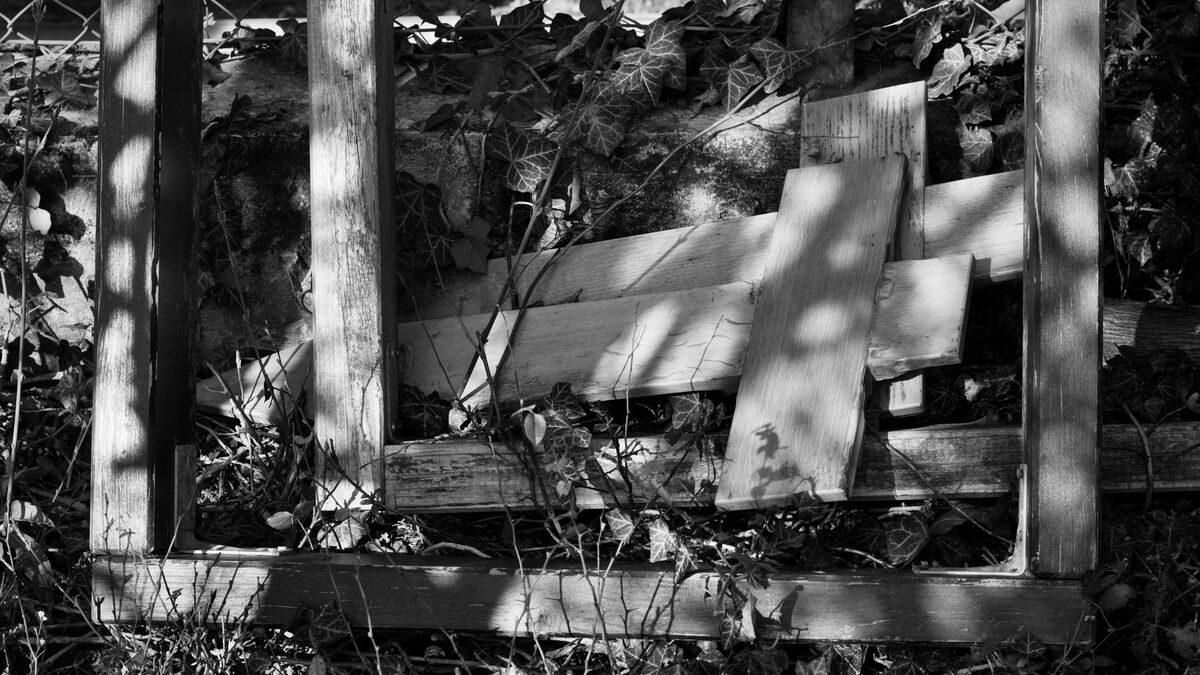
Read the damage before choosing a fix
Start by walking the whole run, not just the section that caught your attention. Note which posts move when you push on them, which direction they lean, and whether the lean is at the ground or higher up. Look at the soil around each footing for cracks, heaved rings or a gap where the ground has pulled away. Check whether the trouble follows the slope, a downspout, a sprinkler zone or a big tree. A single leaning post on flat ground is a different job from six posts all tipping downhill, and the pattern usually points straight at the cause.
Rot at the ground line, where most wood fences fail first
Wood decays fastest in the band just above and below grade, where air and moisture meet. Mulch piled against posts, sprinklers that soak the same spot every morning, and a concrete collar that traps water against the wood all speed it up. Northern Kentucky clay compounds the problem because it stays wet long after a rain.
Push a screwdriver into the post an inch below the soil. If it sinks in easily, the post is soft at its weakest point, even if the visible part looks fine. Rot cannot be patched in a way that restores strength; the realistic fixes are a steel repair spike or bracket driven beside the stub, or pulling the post and setting a new one. Stains and caps help slow decay on the replacement, and the wood privacy fence page covers lumber grades in more depth.
Frost heave and posts that rise a little every winter
Wet clay expands as it freezes, and when the frost line reaches below a shallow post or grips the sides of a footing, it can lift the whole thing. When the ground thaws, the soil settles back but the post rarely drops with it, so it ratchets up season by season. Footings poured with a wide mushroom top at the surface are especially prone, because the frozen crust grabs that lip from below.
The tell is a post standing taller than its neighbors, a rail that bows upward, or a gate latch that no longer lines up after winter. The cure is to pull the post and set it lower, under whatever footing depth the local building department requires, with a straight-sided hole and drainage stone at the bottom. Pounding a heaved post back down almost never holds.
Leaning sections on hillsides and in soft ground
On sloped yards, clay soil creeps slowly downhill, especially after a wet spring, and it carries fence posts with it. A solid privacy fence also acts like a sail, so wind loads lever every post toward the downwind side. Tree roots lift footings from one side, and a yard that stays soggy after rain lets posts rock in place.
If one or two posts lean, resetting or bracing them usually works. If a whole run tilts the same way down a slope, the ground is moving, and fixing posts without dealing with drainage or the slope itself only resets the clock. Sometimes the honest answer is deeper footings, better water management uphill, or a lighter, more open fence style that catches less wind.
Sagging and dragging gates
A gate that drags, binds or will not latch is usually telling you one of a handful of things. Lift the latch end: if it swings freely when raised, the frame has sagged. If the whole gate and its hinge post tilt together, the post is the problem. Common causes and the fixes that match them:
- Hinge post leaning or heaved: reset it deeper in concrete, since no hardware fix can outlast a moving post.
- Frame racked out of square: add or correct the diagonal brace so it climbs from the low hinge side toward the high latch side, or install an anti-sag cable and turnbuckle.
- Loose or stripped hinge screws: replace with longer exterior screws or through-bolts, or move the hinge to fresh wood.
- Undersized hinges on a heavy or wide gate: swap for heavier hinges sized to the weight.
- Latch post shifted: realign the latch or reset the post if it moves when pushed.
- Gate simply too wide for its frame: split it into a double gate with a drop rod.
Broken rails, split pickets and loose boards
Wood rails crack at the post connections, sag between posts, or pull loose as nails back out through years of swelling and drying. Pickets split, warp or get knocked off by a mower or a dog. These are usually straightforward repairs: replace the damaged rail or board, add a rail bracket or a block under a sagging span, and refasten with exterior-grade screws instead of re-driving old nails.
Expect new wood to look different from weathered boards. Matching profile and thickness is easy; matching color takes a season of weathering or a stain over the whole section. On older fences, check the neighboring boards while you are there, since they have aged the same amount.
Wind and storm damage after a hard blow
Summer thunderstorms and the occasional strong winter front can snap posts at the ground, peel panels off their rails or drop limbs across a run. Before anything gets moved, take photos of the damage from several angles for your own records. Then make the area safe: clear sharp debris, keep children and pets away, and check whether the fence is leaning onto a neighbor's property or a walkway.
Storm damage often reveals what was already weak. Posts that snapped cleanly were often rotted inside, and a section that blew over may have been set too shallow. A contractor should tell you whether the rest of the run is sound or whether the storm only found the first failure.
Fixing chain link mesh that has sagged, ripped or kinked
Chain link fails in recognizable ways. A falling limb kinks the top rail, fabric pulls loose from the tension bars at the ends, ties rust through, and dogs or climbing kids stretch the mesh into a belly. Most of it is fixable without new fence:
- Bent top rail: cut out the damaged length and splice in a new section with a sleeve.
- Sagging or bellied fabric: release it at one end, re-stretch with a fence puller, and re-tie to the rail and posts.
- Torn mesh: weave in a new piece of matching fabric by threading a single wire through both edges.
- Loose terminal posts: reset them, since every bit of fabric tension pulls against the end and corner posts.
Cracked vinyl and loosened aluminum sections
Vinyl gets brittle in deep cold, so a mower, a thrown ball or a slammed gate can crack a rail or picket in January that would have bounced off in July. Panels also pop out of their routed rails when posts shift. Repair usually means replacing the damaged part with one of the same profile, which is simplest when the brand is known. Aluminum suffers bent pickets, loose screws and posts knocked out of plumb. Material specifics live on the vinyl and aluminum pages.
Sistering, resetting or replacing a damaged post
Once a post is the problem, there are three real options, and a good contractor will explain why one fits your situation.
- Sistering fastens a new support beside the old post, often a steel stake driven alongside a rotted wood stub. It is quick and avoids breaking out concrete, but only suits a post whose upper section is still sound.
- Resetting pulls or digs out the existing post and footing, then sets the same or a new post deeper, plumb and in fresh concrete or stone. It is the fix for heave and lean.
- Replacing means a new post in a new hole, sometimes shifted a few inches along the line when the old footing is too stubborn to remove.
Temporary fixes that hold until the repair
Short-term measures keep a fence standing and a yard secure while you wait for a visit. Drive a stake into firm ground and brace the leaning post to it with a scrap board, or use a ratchet strap to a sturdy anchor. Tie a dragging gate shut and use another way into the yard. Prop a loose panel back into place and screw it to its post. If the fence is a pool barrier, treat any gap or broken gate latch as urgent and keep the pool off-limits until it is fixed.
Repair or replace: how to make the decision
Repair makes sense when the damage is localized and the rest of the fence has years left. Replacement starts to win when posts are failing up and down the run, when the material is no longer made or cannot be matched, or when you are paying for the same fix every spring. The contractor prices repairs after seeing the fence; cost drivers include the number of posts involved, whether old concrete must be broken out, access and parts availability. If replacing looks smarter, the fence installation page explains how a new fence goes in, and the areas page lists the communities this site covers.
Fence repair in Northern Kentucky for leaning posts — common questions
How do you straighten a leaning fence post without a new one?
In many cases it is doable. When the post itself is still solid and the lean comes from loose or shifted soil, the post can be dug out around the footing, pulled plumb and reset deeper in fresh concrete or tamped stone. A steel repair stake driven beside the post can also hold it upright when the upper section is solid. If the post is rotted at the ground or snapped, though, straightening it just delays the failure, and a new post is the better spend.
Why does my fence gate drag on the ground?
Usually one of two things is happening. Either the gate frame has sagged out of square, so the latch corner drops, or the hinge post itself has leaned or heaved. Lift the latch end of the gate: if it swings freely when raised, the frame needs a brace, a cable kit or new hinges. If the post moves when you push on it, the post has to be reset before any adjustment to the gate will last.
When is an old wooden fence still worth saving?
Mostly it comes down to how much of the structure the rot has reached. Test several posts with a screwdriver just below the soil line. If only one or two are soft and the boards are mostly solid, replacing those posts and a few pickets can buy several more years. If most posts are soft, rails are cracking throughout and boards are splitting, you will spend repair money over and over. A contractor can walk the full line and tell you which way the numbers point for your fence.
How do you fix a fence post that is rotted at the bottom?
There are two common approaches. The quicker one drives a galvanized steel repair spike into the ground beside the rotted stub and bolts the sound upper part of the post to it. The more thorough one removes the post and its footing and sets a new post with proper drainage at the bottom. The quick fix suits a fence that is otherwise in good shape; the full replacement makes sense when you want the repair to last as long as the rest of the fence.
Who pays to repair a fence shared between neighbors?
That usually comes down to who owns the fence and what the two households have agreed. A fence fully on one property generally belongs to that owner. One straddling the line is a shared question, and the details can depend on local rules, deed language and any written agreement. The practical path is a friendly conversation, a written note of who pays for what, and a survey if the line is in doubt. For a genuine dispute, talk to a local attorney.
Can you replace just one section of vinyl fence?
Usually, as long as a matching panel, rail or picket can be found. Vinyl systems are built from specific profiles, and parts from another brand rarely fit the routed holes in the posts. Look for a brand name or sticker on a post cap or inside a rail, and share it when you ask for a repair. Expect a new panel to look a little brighter than the weathered sections beside it for a while, especially on white or lighter colors.
Talk through your site
Start with the address, what you want done, and a few photographs of the area, including anywhere water sits after a heavy rain.
Related work
Fence Installation
New fences on Northern Kentucky hills and clay, posts below frost, permits and gates.
Wood Privacy Fences
Cedar and treated pine privacy styles, stepping on slopes and staining cycles.
Vinyl Fences
Vinyl privacy and picket fencing, quality grades and racking limits on sloped yards.
Aluminum Fences
Rackable ornamental aluminum for pools, hillside yards and front-yard looks.
Across the metro
Florence
Boone County hub with big subdivisions, association rules and graded clay lots.
Covington
River city with historic row homes, tight lots, alleys and steep side streets.
Fort Thomas
Hilltop neighborhoods of older homes with sloped yards and mature trees.
Independence
Fast-growing Kenton County suburb with new builds on hilly, cut-and-fill lots.