Aluminum fences for Northern Kentucky yards, pools and hillsides
Homeowners who want to mark a boundary while keeping the yard open to view usually end up looking at aluminum. Powder-coated ornamental panels give a front walk the look of old iron, they follow a hillside better than nearly any other material, and they shrug off wet Northern Kentucky winters without rusting through. This page explains how aluminum compares with steel and wrought iron, how the grades differ, which picket and rail profiles suit which houses, how rackable panels handle a slope, and what a pool gate has to do before it passes inspection. For pricing, outline the project on the contact page with some pictures, and an installer serving Boone, Kenton and Campbell counties can visit and quote it.
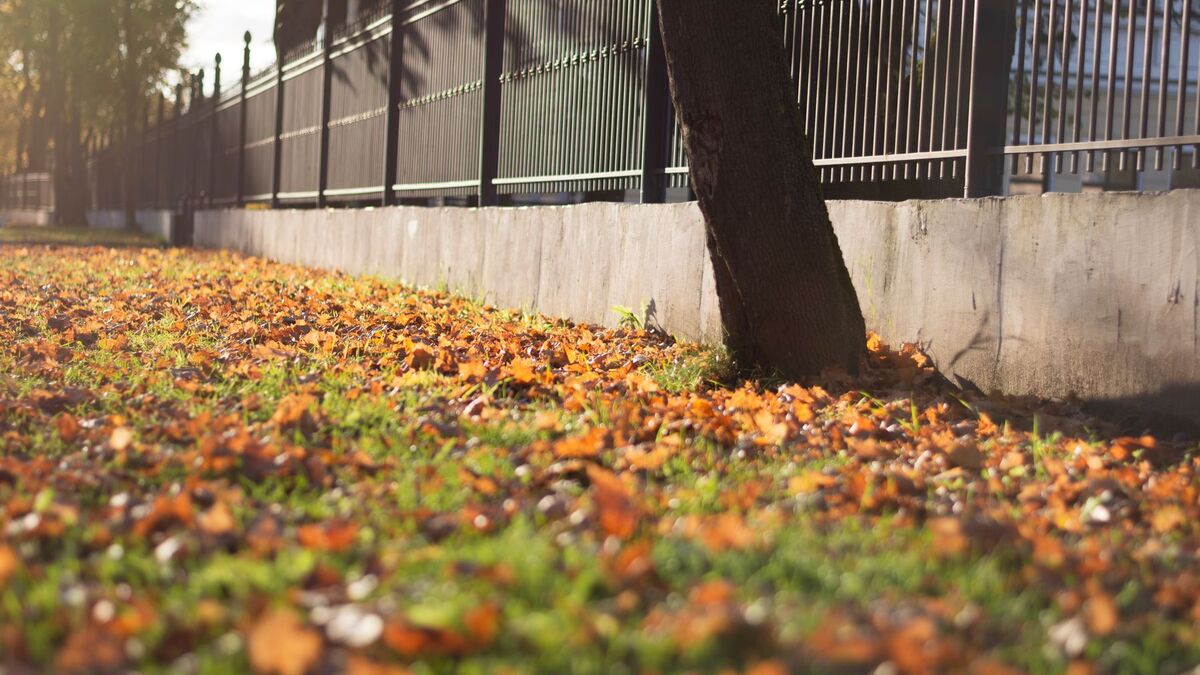
Why ornamental aluminum suits the hills between the interstates
Much of Northern Kentucky is built on slopes. Subdivisions off I-75 and I-275 sit on graded clay, the older river towns climb bluffs, and plenty of backyards drop away from the house faster than anyone would choose. A solid fence fights that grade at every panel. Aluminum panels are light and open, and a good one leans with the land while every picket stays plumb.
The open design also helps in wind. A privacy fence catches gusts like a sail and loads its posts hard on soft hillside soil, while air passes straight through aluminum pickets. The tradeoff is privacy: aluminum marks a line, holds a dog and satisfies most pool barrier rules, but it hides nothing. For screening, start with the wood privacy fence page.
How aluminum stacks up against steel and wrought iron
From the street they can look nearly identical. Up close they differ in weight, strength, upkeep and how each handles a Kentucky winter.
- Powder-coated aluminum: light, cannot rust, racks easily on a slope and is simple to cut and reassemble. A scratch exposes bare alloy rather than bleeding orange, so it suits anyone who never wants a paint can in the garage.
- Ornamental steel: stiffer and stronger than aluminum in the same profile, which is why it appears where impact or climbing resistance matters. It is galvanized and coated, but once that coating breaks, rust spreads from the scratch. It is heavier, harder to rack and needs touch-up over its life.
- Wrought iron: true iron is forged or welded, very heavy, and needs periodic scraping and repainting. Most fence sold under that name today is really tubular steel. Genuine iron mostly turns up on older homes, where matching or restoring it is specialty work.
Residential, heavy residential and commercial grades
Manufacturers offer ornamental aluminum at several strength levels, and next to height, that level is the most important quality choice you make. The difference lives in picket and rail wall thickness, post size and how pickets join the rails. Standard residential panels mark a yard, contain a mid-sized dog and meet most pool needs, but they flex when a child swings on them and dent when a lawn tractor clips them.
Heavy residential panels feel solid to a push, shrug off trimmer and mower contact better, and keep long runs from sagging. On a sloped lot or along a driveway this is often the sensible middle ground. Commercial grade, built for apartment pools and parks, rarely makes sense at a house. Ask every bidder which grade they priced, and compare quotes grade to grade, not just foot to foot.
Picket and rail profiles and what each one says about the house
With the grade settled, style choices come down to the architecture and to who, or what, the fence must hold in.
- Flat top: pickets end flush at the top rail for a clean line that suits ranches and newer builds, and is friendliest where kids lean on it.
- Spear or pressed-point top: pickets rise past the top rail to a point or finial, the classic iron look beside brick colonials and older two-story homes.
- Two-rail versus three-rail: a third rail adds stiffness and a visual band on taller fences; two-rail panels look lighter on low front runs.
- Puppy pickets: short extra pickets close the lower gaps so a small dog cannot squeeze through, a modest add-on that matters to some households.
- Flush bottom rail: pickets stop at a low bottom rail instead of poking below it, tidying the base and closing the gap a curious pet would use.
- Accents: rings, scrolls and staggered picket heights dress up an entry. Use them sparingly, since a whole yard of scrollwork gets busy fast.
Rackable panels versus stepped runs on a sloped yard
Racking means the panel shifts into a parallelogram: the rails tilt with the grade while each picket stays vertical. Most residential aluminum is built to rack because the pickets can pivot where they meet the rails. The bottom line then follows the ground with no stair-step triangles underneath, which is what a dog owner or pool owner wants on a hillside.
Every panel has a published racking limit. Past it the picket holes bind and the look suffers, so steep pitches are stepped instead: each panel stays level and drops at the next post, leaving a gap under the uphill end. Many yards here end up with a mix, and the installer should mark which sections rack and which step before ordering. Vinyl racks only slightly and solid wood is usually stepped, as the vinyl fence page explains; how each material copes with slopes is laid out on the fence installation page.
Self-closing, self-latching gates and pool barrier rules
Gates are where an aluminum fence earns or loses its reputation. A gate wider than one panel needs a heavier hinge post, and wide drive gates often need a braced frame to keep from drooping. Hinges should adjust in more than one direction so the gate can be trued after a freeze-thaw winter shifts the ground.
Around a pool, the gate becomes a safety device. Pool barrier rules are adopted by the local jurisdiction, usually through the residential building code, and the building department for your address enforces them and sets the figures. They typically cover:
- Gates that close by themselves from any open position.
- Latches that catch on their own every time the gate swings shut.
- Where the latch release sits or how it is shielded from small hands.
- Maximum gaps between pickets and beneath the bottom rail.
- Overall barrier height and no rails or decorations that act as a foothold.
- Gate swing direction and whether a house wall forms part of the barrier.
Passing a pool fence inspection the first time
Ask the building department for its current pool barrier requirements before choosing a style. Many aluminum lines sell a pool panel with tighter picket spacing and rails spaced so a child cannot use them as climbing rungs from outside, while some decorative styles with rings or low rails will not pass however good they look. Plan for the permit as part of the job, and test the gate from a partly open position, not just wide open. A gate that drifts shut without latching is the most common reason a pool fence gets flagged.
Setting posts for ornamental aluminum panels
The panels are light, but posts still have to hold through clay that swells, shrinks and creeps downhill, and they must land exactly where fixed-width panels end.
- Mark the line from the property pins and have utilities located through Kentucky 811 before anyone digs.
- Lay out posts to the panel width, planning cut panels at corners and ends instead of squeezing the final section.
- Dig below the depth frost reaches here in winter; the local building department sets the required depth, and gate posts often go deeper.
- Set posts in concrete crowned at the top so water sheds away from the metal.
- Hang panels while the concrete is workable, checking plumb, height and racking angle at each post.
- Hang gates last, then tension the hinges and adjust latches once the posts have cured.
Corrosion, finish wear and what actually ages on an aluminum fence
Aluminum oxidizes rather than rusts, and the powder coat keeps it looking new. A quality coat goes over a pretreated surface and is baked on; cheap coatings chalk, fade from black toward dull charcoal and peel at cut ends.
The real enemies are mechanical. String trimmers chew the coating at post bases, mowers dent bottom rails, and salt spray along a driveway pits a weak finish over many winters. Stainless or coated fasteners prevent the staining that follows when the wrong metal touches aluminum, and matching touch-up paint covers chips. Bent sections and gates that stop latching are covered on the fence repair page. Beyond that, a rinse once or twice a year and a check that gates still close and latch is the whole maintenance plan.
Front-yard fences, sight lines and the rules that shape them
Aluminum frames a house rather than hiding it, which is why it dominates front yards. A low run along the sidewalk with entry posts and a matching gate changes how a home reads from the street. Black is the default, bronze suits brick and stone, and white fits cottage styles.
Front yards also carry the most rules. Zoning codes and associations commonly limit front-yard height, require open styles near the street and protect sight lines at driveways and corner lots. The city, village or township sets those limits for the address, along with any association covering the lot, so check both before ordering material and get approval in writing. Newer subdivisions around Florence and Independence tend to have detailed covenants, while older streets in Fort Thomas and Covington usually answer to the city alone. Notes on each community sit on the service areas page.
What drives the cost, and what a good proposal spells out
A contractor prices an aluminum fence after seeing the yard, because identical footage can be quick on one lot and slow on the next. Cost drivers include length, grade and height, profile and accents, the number and width of gates, slope, rock or heavy clay in the holes, old fence removal, core drilling and pool-code hardware. A complete proposal should list:
- Manufacturer line, grade, height, color and picket style.
- Post size, setting method and hole depth tied to the local requirement.
- Which sections rack and which step.
- Each gate with its width and hardware, and whether it is pool rated.
- Who handles the permit, the 811 locate, association approval and inspection.
- Removal, haul-away, cleanup, payment terms and the workmanship coverage offered.
- Ready to compare? Use the contact page to share where the home is, a quick drawing of the planned run and pictures of the grade.
Aluminum fences for Northern Kentucky yards — common questions
Does an aluminum fence rust?
No. Rust is iron oxide, and there is no iron in the alloy. Bare aluminum forms a thin, dull oxide layer that actually protects the metal beneath, and the powder coat keeps the surface looking new. What ages is the finish and the hardware. Orange streaks on an aluminum fence almost always come from a steel screw, a steel latch or something rusty nearby, and swapping that part for stainless ends the problem.
Will an aluminum fence keep my dog in the yard?
For most dogs, yes, if the height and spacing fit the dog. Choose a height your dog cannot clear, and add puppy pickets or a flush bottom rail for small breeds. On a slope, racked panels matter because stepped sections leave gaps under the uphill end. Diggers can tunnel under any fence, so some owners bury wire mesh along the base, and large dogs that hit the fence hard do better with heavy residential panels.
Can you put an aluminum fence on a steep hill?
Usually. Rackable panels tilt with the grade while the pickets stay upright, and most residential lines handle a fair slope this way. Where the pitch exceeds the panel limit, the run is stepped, each section level and dropping at the post. Very uneven yards often get both. On a hillside the bigger worry is the posts, which need to sit deep enough that creeping clay does not tip them over time.
Is aluminum fencing allowed around an in-ground pool?
It is one of the most common pool barrier materials, but not every style qualifies. The local building department enforces the barrier rules for your address, covering gate closing and latching, latch placement, picket spacing and footholds on the outside face. Many manufacturers offer a pool-specific panel built around those kinds of requirements. Get the adopted rules before picking a style, and expect a permit and an inspection.
How long does powder-coated aluminum fence last?
The metal lasts for decades because it does not rot, rust or turn brittle in the cold. The practical lifespan depends on the finish and the installation. A quality factory coat resists fading for many years, while a thin one may chalk sooner, and posts set too shallow in clay can heave long before the panels wear out. Read the manufacturer documentation on finish coverage for the line you choose.
Can I add privacy to an aluminum fence later?
Only partly. Aluminum panels are not built for the wind load of solid screening, so slats, fabric or lattice clipped to the pickets turn the fence into a sail that can bend pickets and loosen posts in a storm, and many associations forbid them. Shrubs or climbing vines along the line soften the view without stressing the metal. If real privacy is the goal, a solid section along one side may serve better.
Is aluminum or vinyl the better choice for a front yard?
Aluminum usually wins up front. It keeps the house visible, fits the open-style rules many cities and associations apply near the street, protects driveway sight lines and racks easily where a lawn slopes toward the sidewalk. Vinyl picket fencing works on a flat lot and suits a cottage look, but it racks only slightly and long rails can sag. The architecture of the house and the zoning code usually settle it.
Talk through your site
Start with the address, what you want done, and a few photographs of the area, including anywhere water sits after a heavy rain.
Related work
Fence Installation
New fences on Northern Kentucky hills and clay, posts below frost, permits and gates.
Fence Repair
Posts pushed by sliding hillside soil, storm damage, rot and gates that drag.
Wood Privacy Fences
Cedar and treated pine privacy styles, stepping on slopes and staining cycles.
Vinyl Fences
Vinyl privacy and picket fencing, quality grades and racking limits on sloped yards.
Across the metro
Florence
Boone County hub with big subdivisions, association rules and graded clay lots.
Covington
River city with historic row homes, tight lots, alleys and steep side streets.
Fort Thomas
Hilltop neighborhoods of older homes with sloped yards and mature trees.
Independence
Fast-growing Kenton County suburb with new builds on hilly, cut-and-fill lots.